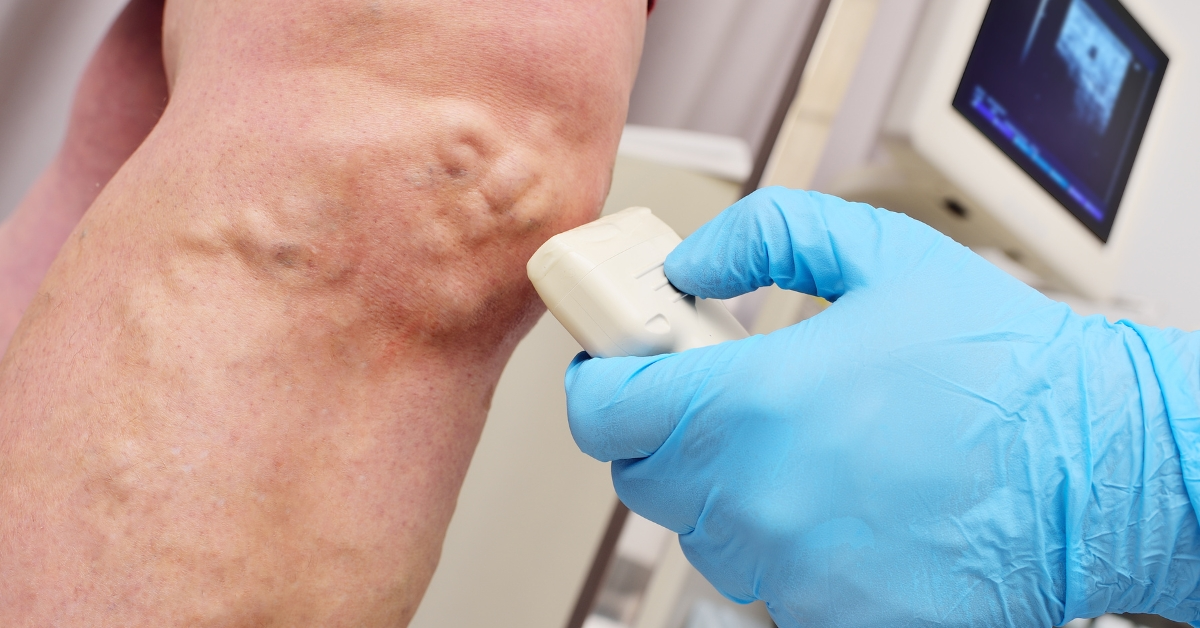
The field of vascular care has undergone a dramatic transformation over the last decade. What was once dependent on large incisions and long recovery times has now evolved into a sophisticated field driven by technology, precision, and minimally invasive techniques. Today, patients suffering from conditions such as varicose veins, arterial blockages, and deep vein thrombosis can benefit from treatments that are safer, faster, and far more effective.
Let’s explore how technology is reshaping vascular care, making it more patient-friendly and efficient than ever before.
Advancements and Innovations in Modern Vascular Care
1. The Rise of Image-Guided Interventions
Modern interventional radiology uses advanced imaging technologies such as ultrasound, CT, and fluoroscopy to precisely guide procedures. Instead of traditional open surgeries, specialists can now use small catheters to access blood vessels and treat blockages with minimal discomfort.
These innovations have significantly reduced hospital stays and improved recovery outcomes. For instance, Dev’s Hospital employs image-guided techniques for vascular and neurovascular treatments, ensuring precise and safe results.
2. Endovascular Procedures: Minimally Invasive and Effective
Endovascular surgery has changed how doctors manage vascular diseases. Instead of cutting open arteries, doctors insert catheters through tiny incisions to reach the affected area. Treatments like angioplasty and stenting restore normal blood flow without major surgery.
Patients treated at facilities with the best vascular surgeon in Ahmedabad experience shorter hospital stays, minimal scarring, and faster recovery compared to traditional vascular surgeries.
3. Laser and Radiofrequency Ablation for Varicose Veins
Varicose veins once required painful vein-stripping surgeries. Today, laser treatment for varicose veins and radiofrequency ablation (RFA) are preferred. These techniques close off damaged veins using targeted heat energy, improving blood flow and reducing symptoms effectively.
At Dev Hospital’s Varicose Veins Treatment Centre, patients receive advanced laser and radiofrequency procedures from highly skilled specialists, ensuring minimal discomfort and long-term results.
4. Robotic Assistance in Vascular Surgery
Technology has introduced robotic systems that enhance surgical precision and consistency. With robotic assistance, even the smallest blood vessels can be treated with accuracy, reducing human error.
This approach benefits complex cases such as aneurysm repairs or arterial reconstructions. The best vascular and interventional radiologist in Ahmedabad uses such systems to ensure outcomes that are both safer and more reliable.
5. Artificial Intelligence and Predictive Analytics
Artificial Intelligence (AI) is playing a growing role in diagnosing vascular conditions early. By analysing medical data, AI systems can predict complications and recommend personalised treatment plans.
AI-powered imaging tools also help identify blockages faster, allowing data-driven decisions that improve patient outcomes.
6. Improved Patient Monitoring and Follow-Up
Wearable devices and smart monitoring tools now allow doctors to track patient recovery remotely. These technologies help detect early signs of complications, ensuring timely intervention.
7. The Future of Vascular Care: Precision and Personalisation
The integration of digital imaging, robotics, and AI is paving the way for fully personalised vascular care. Soon, every treatment plan will be uniquely designed for each patient’s anatomy, lifestyle, and condition.
Hospitals equipped with advanced interventional radiology systems are at the forefront of this revolution—offering minimally invasive, high-precision treatments that redefine recovery standards.
Technological Advances in Vascular Care
| Technology | Primary Use | Key Benefit | Recovery Advantage |
|---|---|---|---|
| Image-Guided Catheterisation | Blocked arteries, aneurysms | High precision, minimal invasion | Short hospital stay |
| Laser & RFA | Varicose veins | Painless and effective | Quick recovery |
| Robotic Surgery | Complex vascular procedures | Enhanced accuracy | Reduced human error |
| AI & Predictive Analytics | Early diagnosis | Personalised treatment | Prevention-focused |
| Wearable Monitoring | Post-surgery recovery | Real-time updates | Continuous care |
Conclusion
Technology continues to push the boundaries of what’s possible in vascular care. From AI-based diagnostics to robotic-assisted surgeries, every innovation aims to make treatments more accurate, less invasive, and quicker to recover from.
If you’re looking for advanced and compassionate vascular treatment, consult the Best Vascular Surgeon in Ahmedabad — where cutting-edge technology meets expert care.
