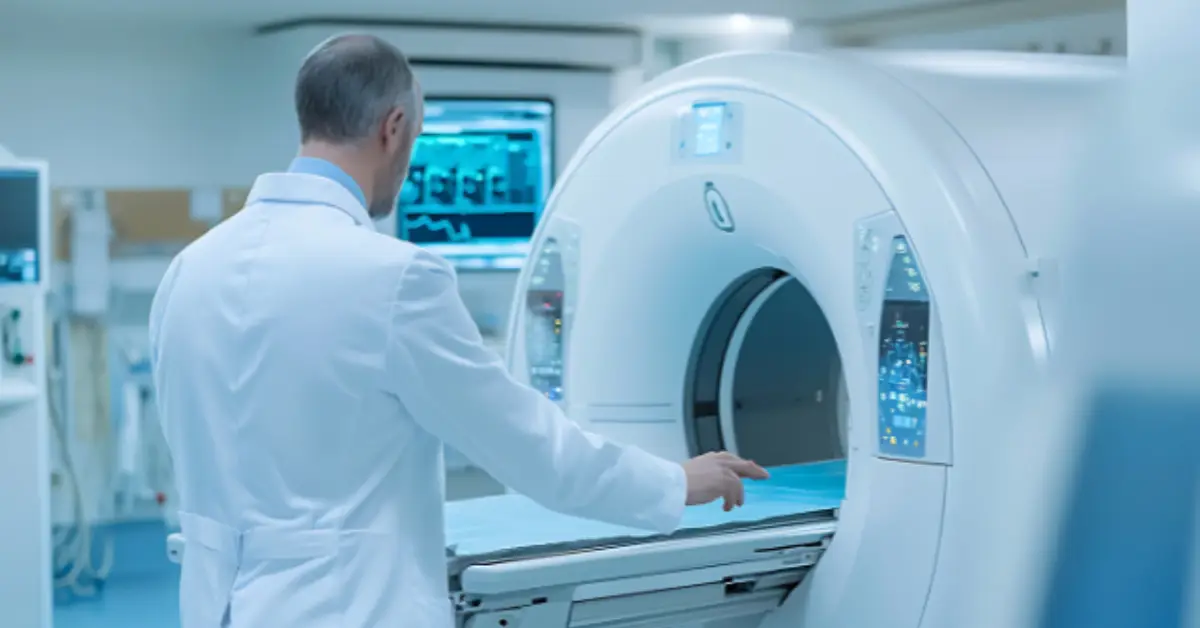
Interventional Radiology (IR) is one of the fastest-evolving fields in modern medicine. What once relied heavily on open surgery is now increasingly performed through tiny incisions, guided by advanced imaging and precision tools. The result? Faster recovery, fewer complications, and better outcomes for patients.
As technology continues to advance, interventional radiology is pushing the boundaries of what’s possible in diagnosis and treatment. From artificial intelligence to robotic-assisted procedures, innovation is reshaping how care is delivered across oncology, cardiology, neurology, and beyond.
Here’s a deep dive into the top innovations in interventional radiology that are transforming patient care today.
Advancements and Innovations in Modern Vascular Care
1. Artificial Intelligence in Image-Guided Procedures
Artificial Intelligence (AI) is revolutionising how radiologists analyse images and plan procedures. Machine learning algorithms can now detect abnormalities faster, improve image interpretation, and assist in identifying optimal access routes for interventions.
Key benefits include:
-
Faster and more accurate diagnoses
-
Enhanced precision during procedures
-
Reduced human error
-
Improved workflow efficiency
AI-driven imaging is particularly impactful in tumour detection, stroke evaluation, and vascular assessments.
2. Robotic-Assisted Interventional Procedures
Robotic systems are enhancing precision in complex interventional radiology procedures. These systems allow clinicians to control instruments with extreme accuracy, reducing fatigue and improving stability during delicate interventions.
Applications include:
-
Vascular catheter navigation
-
Tumour ablation
-
Spine and joint procedures
-
Targeted biopsies
Robotic assistance also reduces radiation exposure for clinicians by allowing remote operation.
3. Advanced Minimally Invasive Cancer Treatments
Interventional radiology plays a growing role in cancer care, offering targeted, minimally invasive alternatives to traditional surgery.
Notable innovations:
-
Radiofrequency ablation (RFA) – Uses heat to destroy tumours
-
Microwave ablation – Faster and more effective for larger lesions
-
Cryoablation – Freezes cancer cells with high precision
-
Transarterial chemoembolization (TACE) – Delivers chemotherapy directly to tumours
-
Yttrium-90 radioembolization – Internal radiation therapy for liver cancers
These treatments reduce damage to healthy tissue and shorten recovery time.
4. Image Fusion and 3D Navigation Technology
Modern IR procedures increasingly rely on image fusion—combining data from CT, MRI, ultrasound, and fluoroscopy to create a more complete and accurate visual map.
Advantages include:
-
Better targeting of small or hard-to-see lesions
-
Improved procedural confidence
-
Reduced procedure time
-
Enhanced treatment accuracy
3D navigation systems help clinicians plan interventions in real time, even in complex anatomical areas.
5. Drug-Eluting and Bioengineered Devices
Innovative drug-eluting stents and balloons are improving long-term outcomes in vascular and cardiac procedures. These devices release medication gradually to prevent restenosis (re-narrowing of arteries).
Emerging developments include:
-
Biodegradable stents
-
Drug-coated balloons
-
Smart implants that monitor blood flow
-
Tissue-engineered grafts
These advancements reduce repeat procedures and improve long-term vessel health.
6. Interventional Neurology and Stroke Treatment Advances
Interventional radiology has transformed stroke care through rapid mechanical thrombectomy—removing blood clots from brain arteries using catheter-based techniques.
Key innovations:
-
Faster clot-retrieval devices
-
Improved aspiration systems
-
Real-time brain perfusion imaging
-
Mobile stroke units equipped with CT scanners
These advances significantly increase survival rates and reduce long-term disability.
7. Personalized Medicine and Targeted Therapy
Interventional radiology is increasingly moving toward personalized treatment plans, tailoring procedures based on individual patient anatomy, tumour biology, and genetic markers.
Examples include:
-
Precision tumour targeting
-
Custom catheter selection
-
Patient-specific ablation protocols
-
Adaptive treatment planning
This personalised approach improves success rates while minimising side effects.
8. Wearable and Remote Monitoring Technologies
Post-procedure monitoring is becoming smarter through wearable health devices and remote patient tracking.
Benefits include:
-
Early detection of complications
-
Reduced hospital readmissions
-
Continuous vital sign monitoring
-
Improved patient engagement in recovery
These tools support safer outpatient and same-day IR procedures.
9. Advances in Radiation Dose Reduction
Reducing radiation exposure remains a major priority in interventional radiology. New imaging technologies now deliver higher image quality with lower radiation doses.
Innovations include:
-
Low-dose fluoroscopy systems
-
AI-based noise reduction
-
Real-time dose tracking dashboards
-
Improved shielding and operator safety tools
This ensures safer procedures for both patients and healthcare professionals.
10. Biopsy and Precision Diagnostic Tools
New biopsy tools allow clinicians to collect tissue samples with greater accuracy and minimal discomfort.
Recent improvements include:
-
Vacuum-assisted biopsy systems
-
Image-guided robotic biopsy
-
Fusion-guided prostate biopsy
-
Liquid biopsy techniques (detecting cancer from blood samples)
These technologies support earlier diagnosis and faster treatment decisions.
11. Interventional Radiology in Chronic Pain Management
IR is also advancing pain management through image-guided nerve blocks, spinal injections, and targeted drug delivery.
Key procedures include:
-
Epidural steroid injections
-
Vertebroplasty and kyphoplasty
-
Radiofrequency nerve ablation
-
Intrathecal pump placement
These options provide long-term relief without major surgery.
12. Virtual Reality (VR) and Simulation Training
Training the next generation of interventional radiologists now includes VR-based simulation platforms. These tools allow clinicians to practise procedures in realistic, risk-free environments.
Benefits include:
-
Improved procedural confidence
-
Shorter learning curves
-
Enhanced patient safety
-
Standardised training models
VR simulation is becoming a critical part of medical education and skill development.
13. Expansion of Outpatient and Same-Day IR Procedures
As techniques become safer and less invasive, more procedures are shifting to outpatient settings.
Advantages for patients:
-
Faster recovery
-
Lower healthcare costs
-
Reduced hospital stays
-
Greater comfort and convenience
This shift is reshaping how healthcare systems manage patient flow and resources.
14. The Future of Interventional Radiology
Looking ahead, the field is expected to expand further into:
-
Gene therapy delivery
-
Nanotechnology-guided treatments
-
Smart catheters with real-time feedback
-
Fully autonomous robotic-assisted interventions
The integration of data science, robotics, and precision medicine will continue to push IR toward safer, faster, and more effective care.
Final Thoughts
Interventional radiology is redefining what modern medicine can achieve. With innovations ranging from AI-powered imaging and robotic precision to advanced cancer therapies and personalized treatments, IR continues to improve patient outcomes while reducing recovery time and risk.
As technology advances, interventional radiology will remain at the forefront of minimally invasive medicine—offering smarter, safer, and more targeted solutions for complex health conditions.
Staying informed about these innovations isn’t just useful for clinicians—it’s essential for patients who want to understand the future of advanced medical care.
