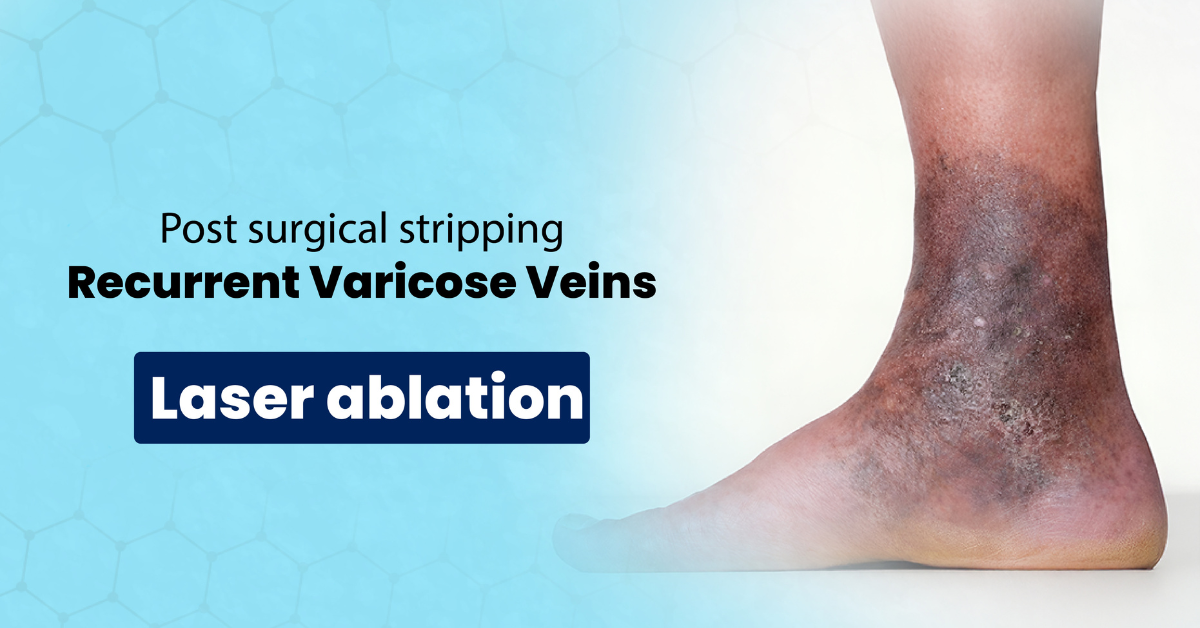
Varicose veins are a common vascular condition, especially among individuals who spend long hours standing, walking, or performing physically demanding work. In some cases, these veins can lead to complications such as chronic venous insufficiency and the development of painful ulcers. Even after traditional surgical treatments, some patients may experience recurrence due to persistent venous reflux.
With advancements in modern vascular medicine, minimally invasive treatments now allow specialists to address the underlying cause of venous disease. This case study shows how a patient with a recurrent varicose vein ulcer after surgery was successfully treated at Dev Hospital of Vascular and Interventional Radiology, a well-known center for advanced vascular care and expert interventional radiology treatment in Ahmedabad.
Understanding Recurrent Varicose Vein Ulcers
A varicose vein ulcer is an open wound that usually forms on the lower leg or ankle because of lack for circulation of blood. When the valves inside the veins fail to function properly, blood flows backward and accumulates in the lower limbs causing pressure in veins and stopping circulation of blood in lower leg or ankle region.
Over time, this increased pressure damages the surrounding skin and tissues, eventually leading to ulcers. Even after surgical procedures such as vein stripping, some patients may still experience recurrence due to the following:
- Development of new incompetent veins
- Previously untreated perforator veins
- Failure of accessory veins
- Persistent venous hypertension
This is why patients often benefit from consulting specialists experienced in Varicose Veins Treatment in Ahmedabad who can evaluate the entire venous system and provide proper targeted treatment.
Patient Case: Persistent Ulcer After Previous Surgery
This case involved a 36-year-old male patient who worked as a laborer and presented with symptoms affecting his right leg.
Medical History
The patient had previously undergone surgical stripping of the right Great Saphenous Vein (GSV) approximately one and a half years earlier as treatment for varicose veins.
Despite the earlier procedure, the patient developed recurrent venous disease that resulted in a chronic ulcer in the affected leg.
Investigating the Cause: Colour Doppler Ultrasound
To determine the underlying cause of the persistent ulcer, the patient underwent a Colour Doppler ultrasound by an expert Interventional Radiologist at Dev hospital, to assess blood flow and valve function in the veins.
The investigation revealed several important findings:
- Accessory Great Saphenous Vein (GSV) incompetence
- Small Saphenous Vein (SSV) incompetence
- Incompetence of multiple perforator veins
These findings indicated that abnormal blood flow was still present in the leg veins, causing elevated venous pressure and preventing the ulcer from healing.
This condition is part of chronic venous insufficiency, a disorder that requires specialised treatment from experienced vascular specialists or an interventional radiologist Ahmedabad trained in minimally invasive procedures.
Advanced Treatment Plan: Targeting the Root Cause
Instead of repeating traditional surgery, the medical team recommended a modern minimally invasive approach designed to correct the faulty veins responsible for the ulcer.
The treatment included a combination of:
1. Laser Ablation of Accessory Veins
Laser ablation is an advanced technique used in Laser treatment for varicose veins.
During this procedure:
- A thin laser fibre is inserted into the affected vein.
- Laser energy is delivered to seal the vein from the inside.
- Blood is redirected to healthier veins.
In this case, laser ablation was performed on the accessory GSV, SSV, and incompetent perforator veins.
This helped eliminate abnormal blood flow and reduce venous pressure in the leg.
2. Sclerotherapy for Remaining Varicosities
To treat smaller varicose veins that remained after laser therapy, the patient also underwent Sclerotherapy for varicose veins.
This procedure involves injecting a specialized medical solution into the affected veins, causing them to close and gradually disappear.
Sclerotherapy is widely used in modern Varicose Veins Treatment because it is effective, minimally invasive, and requires little recovery time.
3. Supporting the Healing Process
Following the procedures, proper wound care was essential to ensure complete healing of the ulcer.
The patient underwent a four-layer compression dressing, which is a specialized technique used to improve blood circulation and promote wound healing in venous ulcers.
Key elements of post-treatment care included:
- Weekly dressing changes
- Compression therapy
- Regular monitoring of the ulcer
- Lifestyle recommendations to improve circulation
Once the underlying venous pressure was corrected, the body’s natural healing process began.
Remarkable Healing Within Four Weeks
The results of the treatment were highly encouraging.
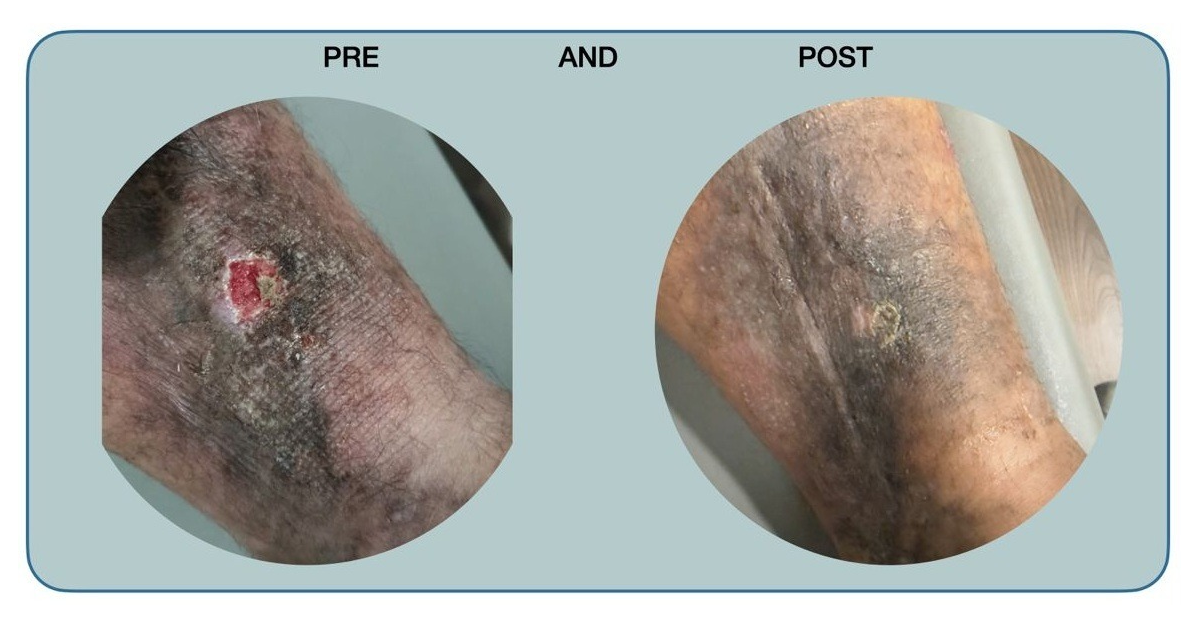
Before treatment, the patient had:
- A painful open ulcer on the right leg
- Skin discoloration around the wound
- Persistent inflammation and irritation
After the minimally invasive treatment and compression therapy:
- The ulcer gradually healed
- Inflammation reduced significantly
- Skin condition improved
- The patient experienced relief from pain and discomfort
Within four weeks, complete resolution of the ulcer was observed. This case demonstrates how addressing the root cause of venous disease is essential for successful ulcer healing.
Why Early Treatment of Varicose Veins is Important
Many people ignore early symptoms of varicose veins until complications such as ulcers develop.
However, untreated venous disease can lead to several long-term complications, including:
- Chronic leg swelling
- Skin discoloration and thickening
- Recurrent venous ulcers
- Infection and delayed wound healing
Consulting a specialist for Varicose Veins Treatment Doctors at an early stage can help prevent these complications and improve long-term outcomes.
Advanced Interventional Radiology at Dev Hospital
Dev Hospital of Vascular and Interventional Radiology provides comprehensive care for vascular conditions using advanced image-guided minimally invasive techniques.
Patients receive treatment from experienced specialists, including:
Dr. Milan Jolapara (MD, DM)
A leading Best interventional radiologist in Ahmedabad with expertise in minimally invasive vascular treatments, including venous disease, tumor ablation, embolization and neurointervention procedures.
Dr. Trupti Mehta (MD, FVIR)
An experienced interventional radiologist specializing in modern image-guided procedures for vascular and non-vascular conditions and onco-interventions.
When Should You See a Specialist?
You should consider consulting a vascular specialist if you experience:
- Visible varicose veins
- Persistent leg swelling
- Darkening of skin near the ankle
- Leg heaviness or burning sensation
- A wound on the leg that does not heal
Seeking evaluation from an experienced best vascular surgeon in Ahmedabad or interventional radiologist in Ahmedabad can help diagnose the condition early and prevent serious complications.
Book a Consultation
If you or a loved one is suffering from varicose veins or a non-healing leg ulcer or recurrent ulcer after treatment, early diagnosis and treatment can make a significant difference.
The specialists at Dev Hospital of Vascular and Interventional Radiology provide advanced minimally invasive treatments designed to restore circulation and promote faster healing. You can learn more about the hospital and its specialists on the About Us page or schedule a consultation through the Contact Us page.
