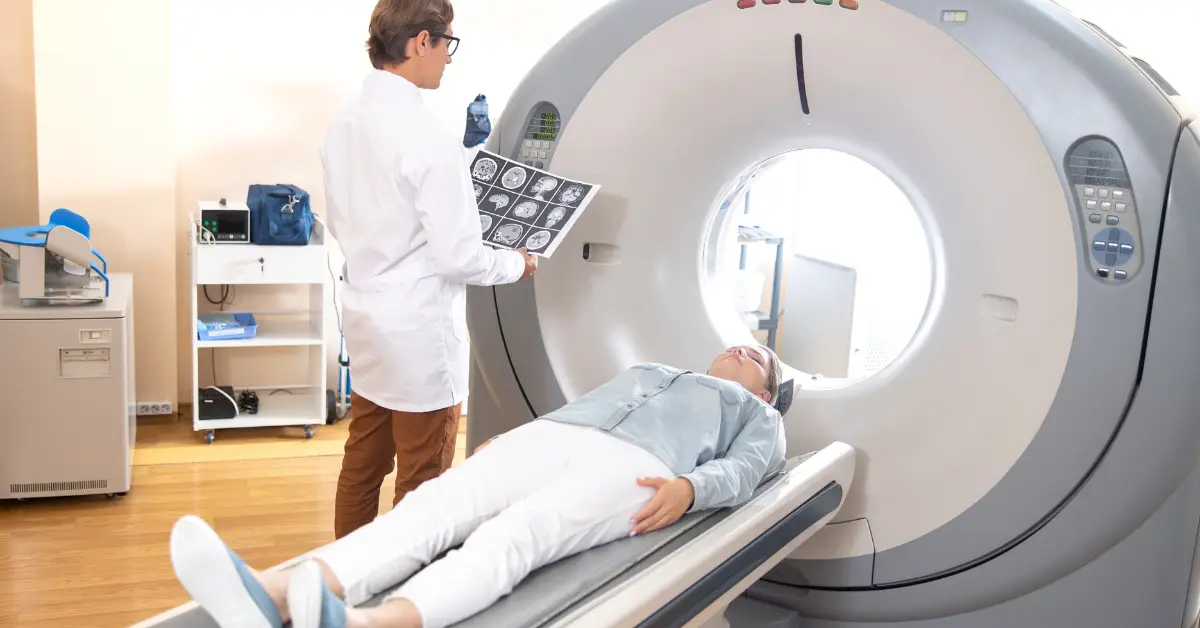
Interventional Radiology (IR) procedures are known for being minimally invasive, precise, and effective. They often involve smaller incisions, reduced hospital stays, and faster recovery compared to traditional surgeries. However, proper post-procedure care is essential to ensure optimal healing and prevent complications.
Whether the treatment involves vascular conditions, stroke intervention, tumour ablation, or embolisation procedures, following medical guidance after discharge plays a crucial role in recovery. Understanding what to expect and how to care for yourself can significantly improve outcomes.
What to Expect Immediately After the Procedure
Most interventional radiology procedures are performed under local anaesthesia or mild sedation. After the procedure:
-
You may be monitored for a few hours.
-
Vital signs such as blood pressure and pulse will be checked.
-
The insertion site (usually in the groin or wrist) will be observed for bleeding or swelling.
Minor discomfort, mild swelling, or bruising near the puncture site is normal. However, severe pain or excessive bleeding should be reported immediately.
Patients treated by an experienced interventional radiologist ahmedabad receive detailed discharge instructions tailored to their specific procedure.
Caring for the Puncture Site
Since most IR procedures use a catheter inserted through a small puncture, proper wound care is important.
Follow These Guidelines:
-
Keep the area clean and dry for at least 24–48 hours.
-
Avoid rubbing or applying pressure on the site.
-
Do not remove the dressing unless advised.
-
Monitor for redness, warmth, swelling, or discharge.
If bleeding occurs, apply gentle pressure and seek medical advice immediately.
Understanding Fatigue After the Procedure
Even though interventional radiology procedures are minimally invasive, it is common to feel mild fatigue for a few days afterwards. Your body has undergone internal treatment, and healing requires energy.
Patients may experience:
-
Slight weakness
-
Drowsiness (especially if sedation was used)
-
Reduced appetite
-
Mild body ache
These symptoms typically improve within a few days. Adequate hydration, light meals, and proper rest support faster recovery. If fatigue persists beyond a week or worsens significantly, consult your doctor.
Importance of Gradual Mobility
While bed rest is not usually required for long periods, complete inactivity can also delay recovery. Gentle movement promotes circulation and reduces the risk of blood clots.
Recommended mobility practices include:
-
Short, slow walks inside the home
-
Gentle stretching (if approved)
-
Avoiding prolonged sitting
However, high-impact exercises, running, or gym workouts should be resumed only after medical clearance.
Managing Swelling and Bruising
Mild bruising near the catheter insertion site is common. The area may appear slightly discoloured for several days. Swelling should gradually reduce over time.
To manage minor swelling:
-
Keep the limb elevated when resting (if applicable)
-
Avoid tight clothing over the puncture site
-
Follow compression garment instructions if prescribed
If swelling increases instead of decreasing, medical evaluation is necessary.
Preventing Infection
Although infection risk is low in IR procedures, proper hygiene remains essential.
Precautionary steps include:
-
Washing hands before touching the dressing
-
Avoiding swimming pools or baths until approved
-
Observing the site daily for changes
If you notice pus-like discharge, spreading redness, or increasing warmth at the site, contact your healthcare provider promptly.
Activity Restrictions After IR Procedures
Although recovery is generally quicker than traditional surgery, certain activity precautions are necessary.
Typically Recommended:
-
Avoid heavy lifting for 3–5 days.
-
Limit strenuous activities.
-
Avoid bending or intense physical movement if the groin was used as the access point.
-
Resume normal walking gradually.
Patients undergoing Varicose Veins Treatment in Ahmedabad are often encouraged to walk lightly to promote blood circulation but should avoid intense exercise initially.
Always follow the personalised advice given by your specialist.
Managing Pain and Discomfort
Mild soreness is common after interventional procedures. Your doctor may recommend:
-
Over-the-counter pain relief medication.
-
Ice packs (if appropriate).
-
Adequate rest.
Severe or worsening pain is not normal and should be reported immediately.
Monitoring for Warning Signs
While complications are rare, early detection is important.
Seek Medical Attention If You Notice:
-
Fever above 100.4°F (38°C)
-
Persistent bleeding from the puncture site
-
Increasing swelling or redness
-
Severe abdominal, chest, or limb pain
-
Shortness of breath
-
Sudden weakness or numbness
For patients treated for neurological conditions like Acute Ischaemic Stroke in Ahmedabad , any sudden neurological changes require immediate emergency care.
Diet and Hydration
After most interventional radiology treatments:
-
Drink plenty of fluids to help flush contrast dye from your system.
-
Resume light meals initially.
-
Avoid alcohol for at least 24 hours (or as advised).
Patients who underwent procedures such as Microwave Ablation Treatment in Ahmedabad or embolisation procedures should follow specific dietary instructions provided by their doctor.
Medication Guidelines
Your doctor may prescribe:
-
Blood thinners
-
Antibiotics
-
Anti-inflammatory medications
-
Blood pressure medications
Never stop or modify medications without medical consultation.
If you were treated by the Best Vascular Surgeon in Ahmedabad, medication management is especially important for long-term vascular health.
Follow-Up Appointments
Follow-up care is essential to evaluate healing and treatment effectiveness.
Your doctor may schedule the following:
-
Imaging scans (ultrasound, CT, MRI)
-
Blood tests
-
Clinical examination
Regular monitoring ensures that the treated area is healing properly and that no delayed complications arise.
Recovery Timeline: What’s Normal?
Recovery varies depending on the type of procedure performed.
| Procedure Type | Typical Recovery Time |
|---|---|
| Varicose vein treatment | 1–2 weeks |
| Prostate artery embolization | 1–2 weeks |
| Ablation procedures | 1–3 weeks |
| Stroke intervention | Varies based on severity |
Most patients experience significantly shorter recovery periods compared to open surgery.
Emotional and Physical Adjustment
For elderly patients or those with chronic conditions, recovery may include both physical and emotional adaptation. It’s important to:
-
Maintain light activity.
-
Get adequate sleep.
-
Follow a structured recovery routine.
-
Stay in contact with your healthcare team.
Support from family members can also ease recovery.
Monitoring Underlying Conditions
For elderly patients or those with chronic diseases, monitoring existing health conditions is equally important during recovery.
This may include:
-
Checking blood sugar levels
-
Monitoring blood pressure
-
Observing heart rate
-
Tracking urine output
Keeping underlying conditions stable enhances overall healing.
When to Resume Normal Routine
Most patients can return to desk jobs within a few days. Physically demanding jobs may require longer rest periods. Driving is usually avoided for at least 24 hours, especially if sedation was used. Your doctor will provide personalised guidance based on your procedure and overall health.
The Importance of Specialist Care
Post-procedure recovery is safest when guided by experienced specialists. Choosing the Best interventional radiologist in ahmedabad ensures not only accurate treatment but also structured follow-up care.
Proper guidance minimises risks and supports smooth healing.
Long-Term Lifestyle Adjustments
Certain IR treatments address vascular or organ-related conditions that may require lifestyle changes to prevent recurrence.
Your doctor may recommend:
-
Healthy weight management
-
Regular light exercise
-
Reduced salt intake
-
Smoking cessation
-
Stress management
Adopting healthier habits improves long-term outcomes and reduces the risk of future interventions.
When Emergency Care is Required
While most recoveries are smooth, urgent medical attention is necessary if you experience:
-
Sudden severe pain
-
Uncontrolled bleeding
-
Loss of consciousness
-
Sudden weakness or speech difficulty
-
Chest pain
Prompt response can prevent serious complications.
Final Thoughts
Interventional radiology treatments offer minimally invasive solutions with quicker recovery and fewer complications compared to traditional surgery. However, successful outcomes depend not only on the procedure itself but also on responsible post-procedure care.
By following medical advice, monitoring warning signs, maintaining hygiene, and attending follow-up visits, patients can ensure optimal healing and long-term health benefits. Always consult your specialist if you have concerns during recovery. With proper care and monitoring, most patients resume normal life comfortably and confidently.
