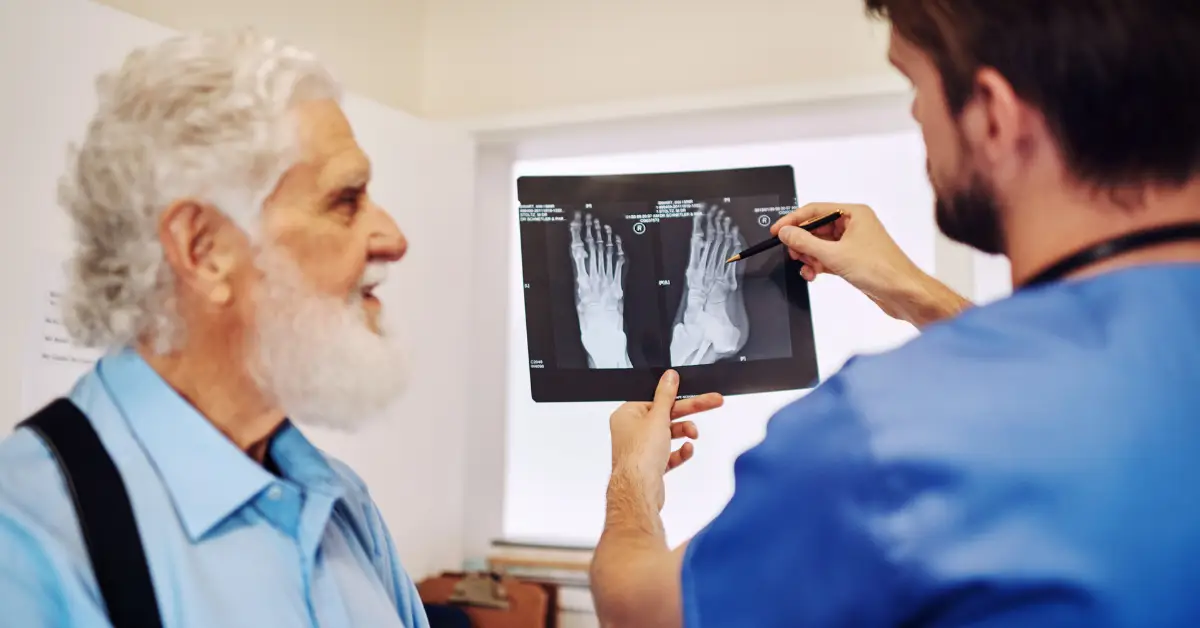
As people age, medical treatment decisions become more complex. Elderly patients often have multiple health conditions such as diabetes, hypertension, heart disease, or kidney problems. These factors can increase the risks associated with traditional open surgeries. In such cases, minimally invasive procedures are increasingly being considered as safer alternatives.
Interventional Radiology (IR) is one such advancement that offers effective treatment with smaller incisions, reduced hospital stays, and quicker recovery times. For many senior patients, this approach can significantly lower complications compared to conventional surgical methods.
But is it truly safer? Let’s understand how interventional radiology works and why it may be beneficial for elderly patients.
What is Interventional Radiology?
Interventional Radiology is a medical speciality that uses image guidance — such as ultrasound, CT scans, or fluoroscopy — to perform procedures through tiny incisions. Instead of large surgical cuts, doctors insert thin tubes (catheters) or needles to treat the condition directly.
These procedures are performed by highly trained specialists, often regarded as the Best interventional radiologist in ahmedabad for their expertise in minimally invasive techniques.
Because the approach is targeted and precise, surrounding tissues experience less trauma, reducing the risk of complications.
Why Traditional Surgery Can Be Risky for the Elderly
Older patients may face higher surgical risks due to:
-
Reduced immunity
-
Slower wound healing
-
Existing heart or lung conditions
-
Increased sensitivity to general anaesthesia
-
Higher risk of infections
Major surgery often requires prolonged hospital stays, which can lead to additional complications such as hospital-acquired infections or mobility issues.
This is where interventional radiology provides an advantage.
Benefits of Interventional Radiology for Elderly Patients
1. Minimally Invasive Approach
Interventional procedures require only small punctures instead of large incisions. This significantly reduces:
-
Blood loss
-
Surgical trauma
-
Post-operative pain
Smaller wounds also heal faster, which is especially important for elderly individuals.
2. Lower Risk of Anaesthesia Complications
Many IR procedures are performed under local anaesthesia or mild sedation rather than general anaesthesia. This reduces strain on the heart and lungs — a major benefit for elderly patients with cardiac or respiratory conditions.
3. Shorter Hospital Stay
Traditional surgeries may require several days of hospitalisation. In contrast, many interventional procedures are completed within a few hours, and patients often return home the same day or within 24 hours.
Shorter hospital stays reduce:
-
Infection risks
-
Immobility-related complications
-
Emotional stress
4. Faster Recovery
Recovery time is generally quicker because the body experiences less trauma. Elderly patients can resume daily activities sooner, maintaining independence and mobility.
Conditions Commonly Treated in Elderly Patients
Interventional radiology is used to treat several age-related conditions.
Varicose Veins
Chronic varicose veins are common in older adults. Modern Varicose Veins Treatment in Ahmedabad through minimally invasive laser or sclerotherapy techniques eliminates the need for major surgery.
Benefits include:
-
No large incisions
-
Minimal downtime
-
Reduced post-procedure discomfort
Stroke and Brain Conditions
For elderly patients experiencing stroke, quick intervention is critical. Advanced IR techniques allow rapid clot removal in cases of Acute Ischaemic Stroke in Ahmedabad, significantly improving outcomes when performed promptly.
Similarly, procedures like aneurysm coiling are performed by expert Interventional Neuroradiologists in Ahmedabad, reducing the need for open brain surgery.
Reduced Surgical Stress on the Body
One of the most important advantages of interventional radiology for elderly patients is the reduced physiological stress. Major surgery places significant strain on the cardiovascular and respiratory systems. For seniors with pre-existing heart disease, high blood pressure, or chronic lung conditions, this stress can increase post-operative complications.
Interventional radiology procedures typically involve:
-
Minimal blood loss
-
Shorter procedural time
-
Less fluid imbalance
-
Lower inflammatory response
Because the body experiences less trauma, elderly patients often tolerate these procedures better than open surgery.
Lower Risk of Post-Surgical Complications
Older adults are more vulnerable to complications such as:
-
Deep vein thrombosis (DVT)
-
Post-operative pneumonia
-
Bed sores due to immobility
-
Urinary infections
-
Delirium after general anaesthesia
Since many interventional radiology procedures allow early mobilisation and avoid prolonged hospitalisation, these risks are significantly reduced. Early ambulation improves circulation, lung function, and overall recovery.
Improved Quality of Life
For elderly patients, maintaining independence is often as important as treating the medical condition itself. Long recovery periods after major surgery can lead to muscle weakness, reduced mobility, and loss of confidence.
Interventional radiology supports:
-
Faster return to daily activities
-
Reduced reliance on caregivers
-
Preservation of mobility
-
Shorter disruption to routine
This makes a meaningful difference in overall quality of life.
Customised Treatment Planning for Seniors
Elderly patients often require personalised care due to coexisting medical conditions. Interventional radiologists carefully evaluate:
-
Kidney function
-
Cardiac status
-
Medication history
-
Bleeding risk
-
Overall frailty
Because IR procedures are image-guided, they allow highly targeted treatment, which reduces unnecessary exposure to surrounding tissues.
When Traditional Surgery May Still Be Necessary
While IR offers many benefits, it is not a universal replacement for surgery. Some advanced or structurally complex conditions may require open surgical correction.
However, in many cases, IR can:
-
Delay the need for major surgery
-
Provide palliative relief
-
Serve as a bridge to future procedures
-
Offer an alternative for high-risk surgical candidates
Careful medical assessment ensures that the chosen approach prioritises safety and effectiveness.
Comparing Risks: Surgery vs Interventional Radiology
| Factor | Traditional Surgery | Interventional Radiology |
|---|---|---|
| Incision Size | Large | Very Small |
| Anaesthesia | General | Local/Sedation |
| Hospital Stay | Several days | Same day or short stay |
| Infection Risk | Higher | Lower |
| Recovery Time | Longer | Faster |
While no procedure is entirely risk-free, IR often presents a safer option for elderly patients who may not tolerate major surgery well.
Are There Any Limitations?
Interventional radiology is not suitable for every condition. Some complex cases still require traditional surgery. Proper evaluation by an experienced vascular surgeon in ahmedabad or an interventional specialist ensures the right treatment choice.
Patient assessment includes:
-
Overall health condition
-
Severity of disease
-
Medical history
-
Diagnostic imaging
A multidisciplinary approach often provides the best results.
Choosing the Right Specialist Matters
The safety and success of any interventional procedure depend heavily on the expertise of the doctor. Consulting a qualified, the best radiologist in ahmedabad ensures accurate diagnosis and precise treatment planning.
Elderly patients require special care, monitoring, and customised treatment approaches to minimise risks.
Final Thoughts
For many elderly patients, interventional radiology offers a safer and less invasive alternative to traditional surgery. With smaller incisions, reduced anaesthesia risks, quicker recovery, and shorter hospital stays, it significantly lowers complications associated with major procedures.
However, the suitability of IR depends on the individual’s health condition and medical needs. A thorough evaluation by an experienced specialist helps determine the safest and most effective treatment plan.
Minimally invasive care is transforming how we treat age-related conditions — offering elderly patients better outcomes, faster recovery, and improved quality of life.
