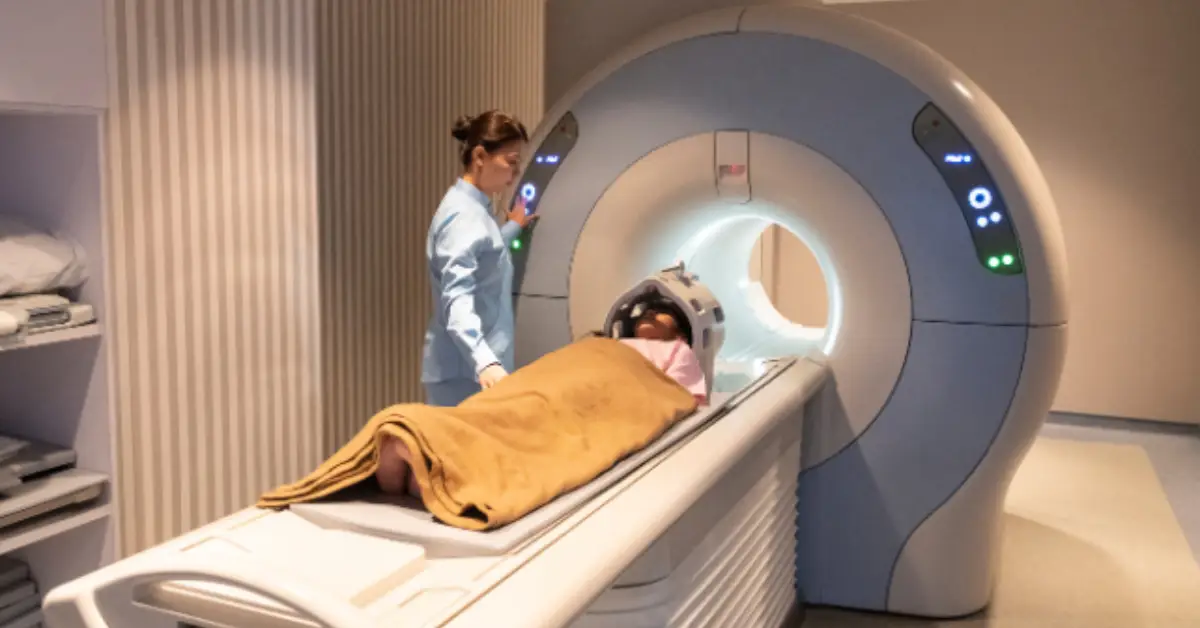
How AI Is Helping Radiologists Detect Disease Faster
Artificial Intelligence (AI) is rapidly reshaping the healthcare landscape, and radiology is one of the areas seeing the most significant impact. From detecting subtle abnormalities to prioritising urgent cases, AI is helping radiologists work faster, smarter, and more accurately.
As medical imaging volumes continue to rise worldwide, radiologists face increasing pressure to interpret scans quickly without compromising quality. AI-powered tools are stepping in to support this challenge, not by replacing radiologists, but by enhancing their capabilities and reducing diagnostic delays.
This blog explores how AI is helping radiologists detect disease faster and why this technology is becoming essential in modern medical imaging.
The Growing Challenge in Radiology
Medical imaging plays a critical role in diagnosing conditions such as cancer, cardiovascular disease, neurological disorders, and trauma-related injuries. However, the demand for imaging has grown far faster than the number of trained radiologists.
Radiologists today must review:
-
Hundreds of scans per day
-
Increasingly complex imaging data
-
Multiple modalities such as CT, MRI, X-ray, and ultrasound
This workload increases the risk of fatigue, delays, and missed findings. AI addresses these challenges by acting as an intelligent assistant, helping radiologists focus on what matters most.
How AI Works in Medical Imaging
AI in radiology relies on machine learning and deep learning algorithms trained on vast datasets of medical images. These systems learn to recognise patterns associated with specific diseases by analysing thousands—or even millions—of annotated scans.
Once trained, AI can:
Flag abnormal findings
Measure lesions and organs automatically
Compare current scans with prior images
Highlight areas that need closer review
This process happens in seconds, significantly reducing interpretation time.
Faster Detection of Critical Conditions
One of the most valuable contributions of AI is its ability to identify time-sensitive conditions quickly.
Stroke Detection
AI can analyse brain scans to detect early signs of stroke, such as large vessel occlusions or reduced blood flow. By alerting radiologists immediately, treatment decisions can be made faster—often within minutes, which is critical for patient outcomes.
AI-powered imaging plays a critical role in enabling faster diagnosis and decision-making for patients requiring acute ischemic stroke treatment in Ahmedabad, where every minute can impact long-term outcomes.
Pulmonary Embolism
AI algorithms can rapidly scan CT images to identify blood clots in the lungs, helping prioritise urgent cases and reduce the risk of life-threatening complications.
Intracranial Haemorrhage
Subtle brain bleeds can be difficult to spot, especially in busy settings. AI systems are trained to detect these abnormalities early and alert clinicians promptly.
Improving Cancer Detection and Monitoring
Early and accurate tumour detection with AI also supports timely minimally invasive options such as microwave ablation treatment in Ahmedabad for select liver, lung, and soft tissue tumours.
AI tools assist radiologists by:
Detecting small tumours that may be overlooked
Measuring tumour size consistently
Tracking changes across follow-up scans
Supporting early-stage cancer diagnosis
In breast imaging, AI helps identify early signs of breast cancer in mammograms, improving detection rates while reducing false positives. Similar advancements are being seen in lung, liver, prostate, and colorectal cancer imaging.
Reducing Diagnostic Errors
Human error can occur due to fatigue, distractions, or the sheer volume of images to review. AI acts as a second set of eyes, helping reduce missed findings.
Rather than replacing clinical judgement, AI:
Highlights areas of concern
Provides quantitative measurements
Ensures consistent image analysis
Radiologists remain responsible for final diagnoses, but AI support improves confidence and accuracy—especially in complex or borderline cases.
Automating Routine Tasks to Save Time
Radiologists spend a significant amount of time on repetitive tasks that don’t require advanced interpretation. AI helps automate many of these processes.
Tasks AI Can Handle:
Organ and lesion measurements
Bone age assessment
Lung nodule tracking
Image segmentation
Report pre-drafting
By reducing administrative and repetitive work, radiologists can dedicate more time to complex cases and patient-focused decision-making.
Enhancing Workflow and Case Prioritisation
AI doesn’t just analyse images—it improves the entire radiology workflow.
Modern AI systems can:
Sort cases based on urgency
Flag critical findings for immediate review
Reduce report turnaround times
Improve communication between departments
For example, scans showing potential life-threatening conditions are automatically pushed to the top of the reporting list, ensuring faster intervention.
Supporting Early Disease Detection
Early detection often makes the biggest difference in treatment success. AI excels at spotting subtle patterns that may not yet be obvious to the human eye.
Conditions benefiting from early AI detection include:
Lung nodules indicating early lung cancer
Bone density loss linked to osteoporosis
Fatty liver disease
Early-stage neurodegenerative changes
By identifying disease earlier, AI helps clinicians intervene sooner and improve long-term outcomes.
AI in Multi-Modality Imaging
Radiology involves multiple imaging modalities, each producing large volumes of data. AI can integrate insights across modalities, offering a more comprehensive view.
Examples include:
Combining CT and MRI findings
Correlating ultrasound with prior imaging
Tracking disease progression over time
This holistic approach improves diagnostic accuracy and clinical decision-making.
Improving Consistency Across Diagnoses
Consistency is critical in radiology, especially when scans are reviewed by different clinicians or across multiple sites.
AI provides:
Standardised measurements
Uniform interpretation criteria
Reduced variability between reports
This consistency is particularly valuable in long-term disease monitoring and multi-centre healthcare systems.
Addressing Radiologist Burnout
Burnout is a growing concern in radiology. Long hours, high workloads, and pressure to deliver fast results can affect performance and wellbeing.
By reducing workload intensity and cognitive strain, AI:
Improves job satisfaction
Reduces mental fatigue
Helps maintain diagnostic quality
A supported radiologist is more focused, accurate, and effective.
Ethical Considerations and Human Oversight
While AI offers immense benefits, it must be used responsibly. Data quality, algorithm bias, and transparency remain important considerations.
Best practices include:
Continuous algorithm validation
Human oversight in all diagnoses
Clear accountability frameworks
Secure handling of patient data
AI is a tool—not a replacement—for clinical expertise.
Final Thoughts
AI is transforming radiology by helping clinicians detect disease faster, reduce errors, and manage growing workloads more effectively. From stroke and cancer detection to workflow optimisation and early diagnosis, AI is becoming an indispensable part of modern medical imaging.
Rather than replacing radiologists, AI empowers them—enhancing speed, accuracy, and confidence in diagnosis. As adoption continues to grow, patients can expect quicker answers, earlier treatment, and better outcomes.
The future of radiology is not just digital—it’s intelligent.
